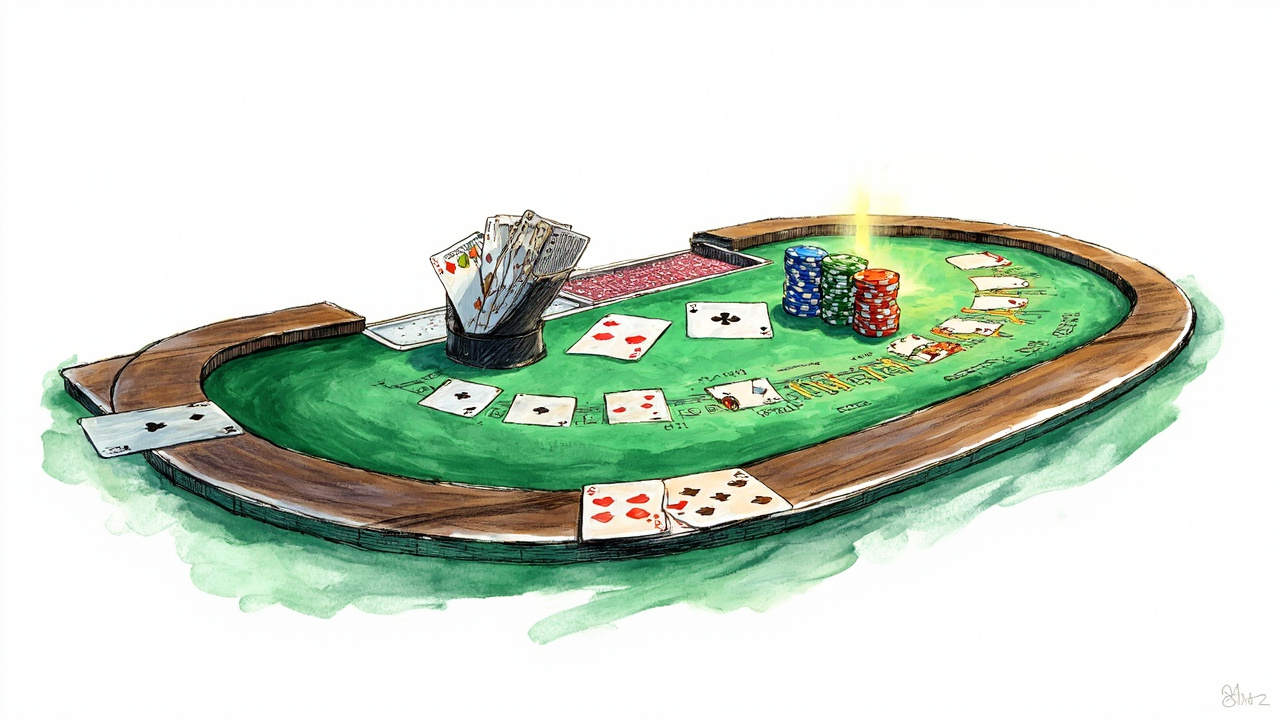
Bounty tournaments turn every knockout into a cash payout, which changes how you size bets and pick spots. If you have ever watched the Bellagio in Las Vegas and its famous choreographed dancing fountains, you already know spectacle sells; here the spectacle is a live price on every player’s head. For Australians weighing a first run, the real question is whether the format suits your bankroll and temperament before you bother signing up.
For players chasing that extra incentive, the dynamics shift dramatically when every elimination adds to the pot. You can explore these high-stakes formats further at https://jackp0t-j1ll-vip-login.com/au4 to see how the rules differ from standard cash games. Understanding the payout structure is key to maximizing your edge when the action heats up.
Getting your feet wet starts with the registration flow, which on a properly built platform should feel straightforward rather than gatekept. You will need to confirm you are 18+, provide standard identity details, and pass a quick verification check before any bonus can be activated. I have sat in enough engineering reviews at Easygo across Stake and KICK to know that when signup, eligibility, and verification are wired together cleanly, the first deposit and bonus activation happen without the usual back-and-forth. If a site makes you jump through separate hoops for each step, that is a structural red flag, not a minor quirk. Once your account is cleared, the first session should let you filter for bounty events by stake, pick a table that matches your comfort zone, and activate any welcome offer in the same session rather than chasing it later.
The format itself rewards a different read on the table than a standard freezeout. Every time you eliminate a player, you collect a slice of their bounty, and some platforms stack a separate headhunter payout on top for the person who makes the knockout. That means stealing blinds late in a level can be more valuable than chasing a marginal showdown, and a well-timed 4-bet can put pressure on a player who is already carrying a price on their head. If you want a clearer read on that specific pressure move, this explainer on the 4-bet in poker walks through when the sizing makes sense and when it just burns your stack. The key is treating the bounty as part of the pot odds rather than a separate dream, because the math only stays in your favour when you are disciplined about which spots you chase.
You will hear blokes working through the same question over a flat white at the pub, and it usually goes something like this: “Reckon I should grind the low-stakes bounties first, or just throw a hundred in and hope for a hot run?” “Nah, start small and watch how the table reacts to the bounty pressure, because a few arvo sessions of disciplined steals will teach you more than one lucky bustout.” “Fair point, I’ll keep it tight and see how the payouts stack up before I chase bigger fields.” That kind of chat captures the real trade-off: the format can inflate your hourly return when you are picking spots well, but it can also tempt you into loose aggression that burns through a bankroll fast. A sensible first run keeps your buy-ins small enough that a cold streak does not force you to rebuy with money you meant to keep aside, and it treats the bounty as a bonus on good decisions rather than a reason to play every hand.
If you ever feel the itch to widen your range just to chase a bigger piece of the pie, step back and review the mechanics of a disciplined re-raise before you commit more cash. For a clean breakdown of what is a 4-bet in poker, the primer over at that poker theory hub lays out the timing and sizing without the usual pub-room noise. That way, when you do size up for the bigger fields, you’re leaning on structure instead of just hoping the bounty pressure saves you.
The practical side matters just as much as the strategy once you are actually in a seat. A solid operator will show you the bounty split, the headhunter rules, and any rake or fee structure before you buy in, and it should let you track your knockouts without digging through menus. Payments should be clear about currencies, processing windows, and any limits that apply to your region, because vague terms are where most frustration starts. I have seen enough large-platform architecture decisions to know that when payments, mobile access, and support are built as one connected flow rather than patched together, players spend their time at the tables instead of chasing status updates. If a site’s mobile experience drops you mid-hand or its support only responds through a generic form, the format itself is not the problem – the execution is.
If you are an 18+ Australian player who likes reading spots, managing aggression, and getting paid for a clean knockout, bounty tournaments can fit your style well. If you prefer quiet, patient tournaments where every decision is purely about stack preservation, the added pressure of a live bounty may not suit you. The right move is to start with a verified account, keep your first buy-ins modest, and treat the format as a skill-based way to add value to good decisions rather than a shortcut to quick cash.